0min
Property
Solar CASTEJON DE SOS, huesca
Auction Value 4329,05 €
Status In progress
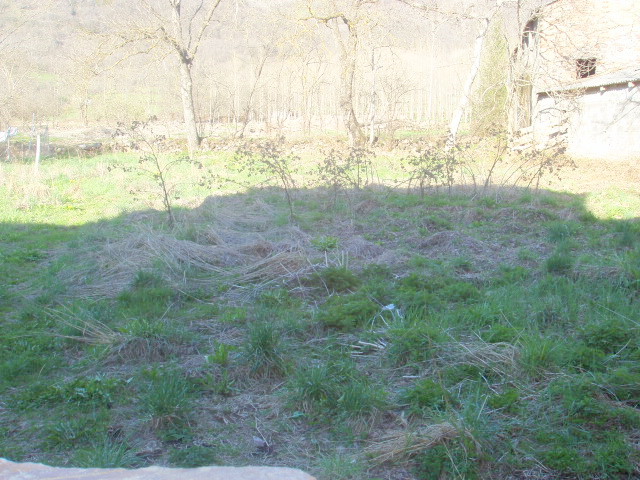
Huerto sito en término municipal de Castejón de Sos, partida "DE CASA". Superficie 136 metros cuadrados.
The administrative auction market shows extreme polarization: of the 112 records analyzed, low-value assets such as parking spaces and storage rooms represent the vast majority of the volume. Although aggressive theoretical discounts are observed, especially in the province of Jaén, caution is mandatory. In comparable operations, assets with an unusually low auction value often carry hidden registration or tax charges that the edict may not detail with sufficient clarity.
The geographic distribution, led by Jaén, Madrid, and Castellón, is heterogeneous and reflects an atomized supply of rustic estates and low-ticket residential assets. For investors, the temptation to bid on housing with a 99% discount—an extreme case detected—is often a false opportunity. In these types of files, it is common to encounter complex legal occupancy situations or discrepancies between the administrative valuation and market reality, which requires exhaustive legal due diligence before any disbursement. The median valuation is modest, placing real interest in volume and high-turnover operations rather than premium assets.
Information analyzed using our proprietary advanced subastAI models. Does not constitute investment advice.
Huerto sito en término municipal de Castejón de Sos, partida "DE CASA". Superficie 136 metros cuadrados.

Una parcela de tierra secano viña y olivos, en término de Torrent partida de la Foya o dels Omets, de extensión cuatro hanegadas, cuatro brazas, igual a treinta y tres áreas, cuarenta centiáreas. Linda: Norte, de Federico Lis; Sur, de Leandro Casabán, camino en medio y Camino de la Pedrera; Este y Oeste, resto de finca de donde ésta se segregó de la Caja de Ahorros y además, al linde Este con camino de la Pedrera.

Almacén sito en Fraga, en la calle del Rosario, número 15, de planta baja de 44 metros cuadrados de superficie y planta primera de 32 metros cuadrados de superficie. Superficie total construida de 76 metros cuadrados.
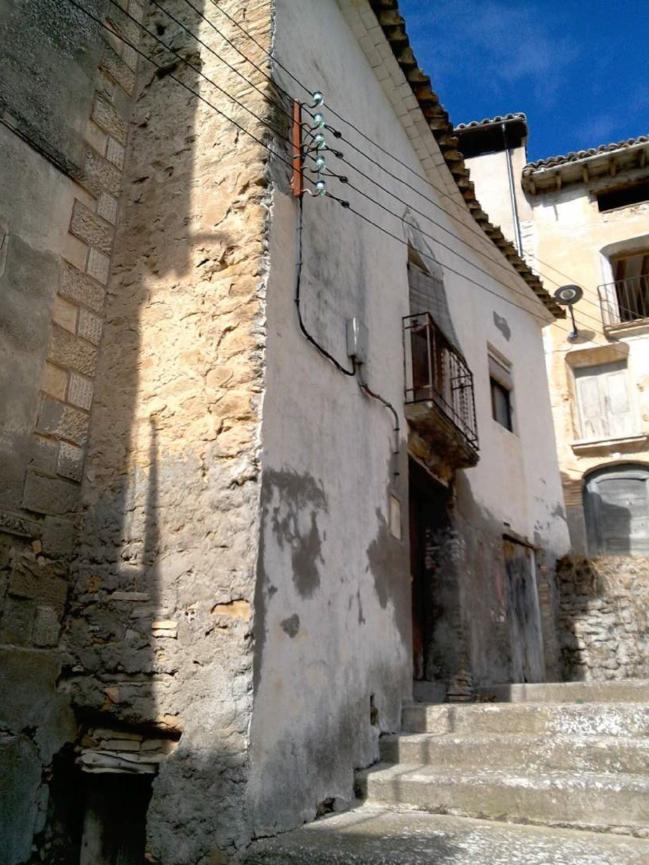
Casa con bodega, situada en Coscojuela de Fantova, en la Plaza de la Iglesia nº 4. La superficie total construida de la edificación, según Catastro, es de 147 metros cuadrados, repartidos en planta baja y 2 plantas, según catastro y certificado del Ayuntamiento de El Grado, actualmente se corresponde con Calle La Iglesia nº 12.
Administrative Auctions are forced liquidation procedures carried out by State bodies other than courts of justice. These include tenders by the Tax Agency (Hacienda), the General Treasury of Social Security (TGSS), and local collection bodies (City Councils and Provincial Councils). Their objective is to recover debts generated by tax defaults, employer contributions, or fines, executing the sale of the debtor's assets.
The great difference and competitive advantage of administrative auctions is that they use the enforcement route. Being a process dictated by the public administration itself and not dependent on the collapsed judicial system, deadlines from seizure to BOE publication are drastically shorter. Additionally, this ecosystem is the king of Direct Adjudication: when assets (villas, industrial warehouses, vehicles) don't find a buyer in the initial auction, they pass to a phase where free offers are accepted, allowing deals with discounts that pulverize the traditional real estate market.
Unlike courts (where mortgage foreclosures reign and occupancy risk is high), administrative auctions frequently liquidate commercial assets (warehouses, premises) and second homes, reducing the risk of dealing with squatters. However, the danger here is registry-based. Since Hacienda or Social Security only collect their debt, the buyer assumes the subsistence of prior charges. If you buy a property seized by Hacienda, but it has a prior mortgage with a bank, you'll have to pay that mortgage in full.
Operating in administrative auctions requires perfect financial due diligence. Instead of spending hours trying to decipher simple notes and charge certifications, subastAI does it for you instantly. Our algorithm crosses the administrative enforcement file with the Property Registry to inform you exactly how much prior bank or local debt amounts to. This way, in our listings you'll always know your maximum investment budget before making the 5% deposit.
Edicts and Simple Notes. (Dense and unreadable texts).
Our AI extracts data and calculates real charges in seconds.
You know hidden risks and the exact bidding strategy.
Unlock legal risk indicators, occupancy, subsisting charges, opportunity margin and smart score.