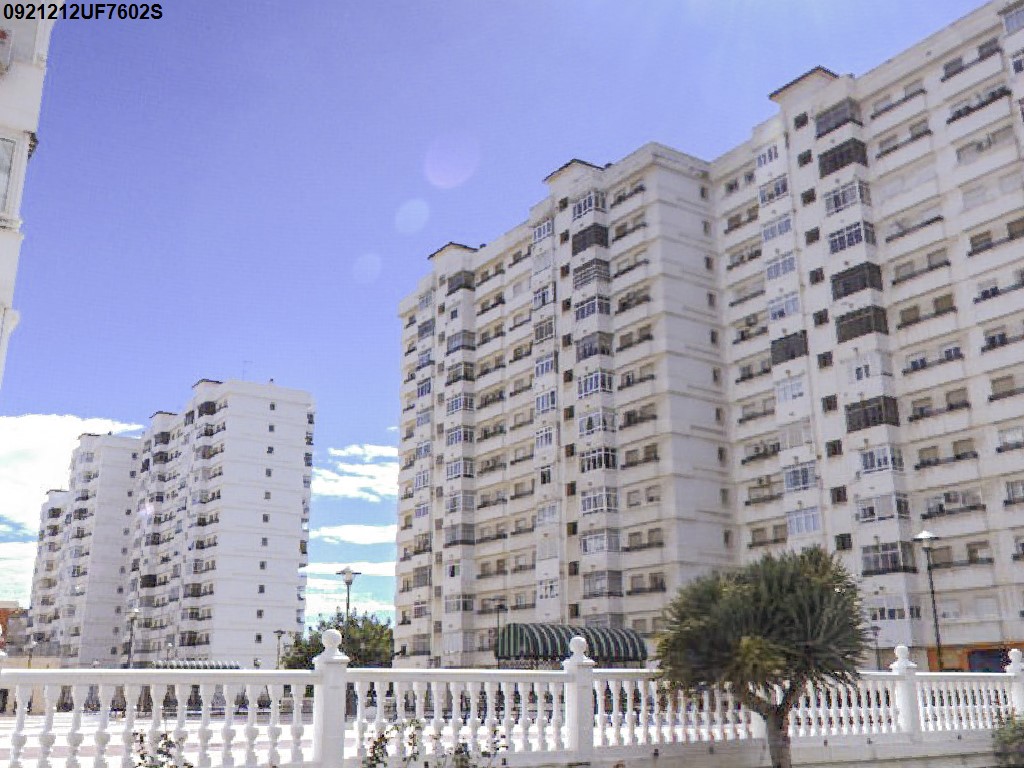
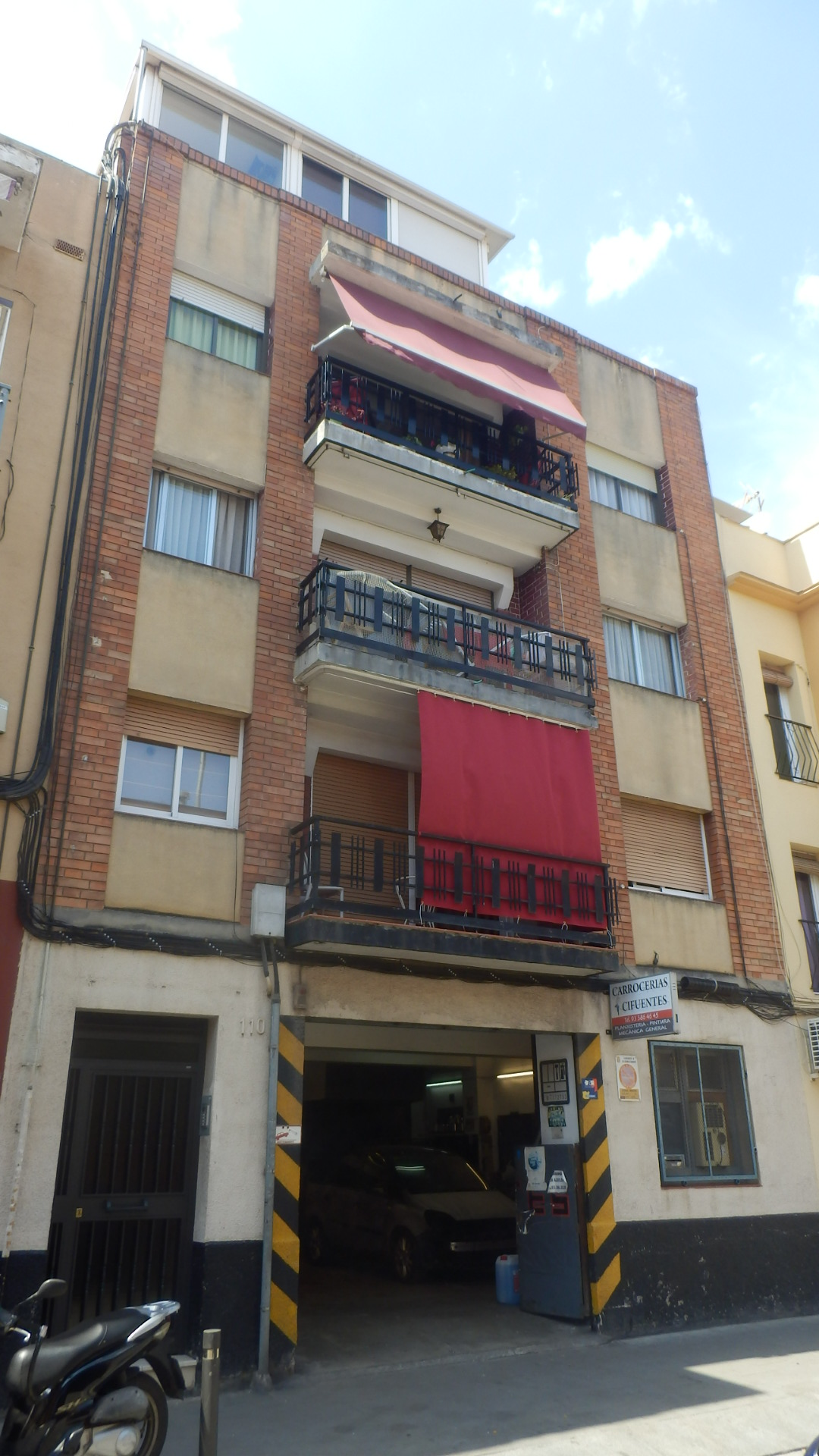
The market for repossessed commercial premises (commercial spaces, ground floors, and mezzanines) is a territory of immense opportunities for creative investors and companies. Following the e-commerce boom and retail changes, many businesses closed, leaving thousands of premises at the mercy of bank foreclosures and Social Security repossessions.
For the bold investor, a repossessed premise isn't just a space for shops; it's a blank canvas offering the most aggressive real estate revaluation strategies.
Two Maximum Profitability Strategies
- Commercial Yield (B2B): Buy at clearance prices and lease to supermarkets, franchises, clinics, or last-mile logistics companies. Commercial contracts offer longer duration, and tenants usually assume renovation and adaptation costs.
- The Holy Grail: Change of Use: The most lucrative strategy today. It consists of winning a cheap commercial premise at auction, processing the municipal "change of use" permit, and transforming it into one or several homes (lofts or tourist apartments). This maneuver can double or triple the asset's value in months.
Regulations and Debts: Premises Dangers
Buying a repossessed premise involves assuming commercial and mortgage risks (subsisting liens). But the most paralyzing risk lies in the homeowners association statutes.
If your intention is to make a change of use to housing, install an exhaust outlet for a restaurant, or divide the premise into storage units, you must ensure the homeowners association doesn't expressly prohibit it in their registered statutes.
Automated Due Diligence with subastAI
Evaluating a premise's viability requires cross-referencing much urban planning and legal information. In the catalog above, you'll find repossessed premises throughout Spain. For you to execute your strategy successfully, subastAI's algorithm audits registry liens, quantifies overdue property tax, and offers market metrics so you know if that premise has real conversion or commercial leasing potential.