Vivienda RENTERIA, Desconocida
Auction Value 323.500,00 €
Status In progress
URBANA.- NUMERO SETENTA Y UNO.
The current judicial auction market in Spain exhibits extreme heterogeneity, with a volume of 1,970 active assets. The dominance of real estate, accounting for over 78% of the total, should not be misleading: the gap between appraisal and auction value is often a statistical mirage. While the median valuation for urban properties sits at 66,457 euros, price dispersion—ranging from assets of just 25 euros to rustic estates nearing 3.5 million—demands granular analysis.
It is common to observe in foreclosure files how assets with high appraisals carry non-preferential liens or occupancy issues that dilute any initial discount. In comparable operations, the saturation of residential housing does not guarantee liquidity; on the contrary, it increases competition and the necessity for exhaustive due diligence before the auction closure. The concentration in provinces such as Madrid, Barcelona, and Zaragoza highlights an opportunity for specialized investors, but the risk of "value traps" in low-ticket assets is real. Without a complete legal review of the court notice and the possession status, any approach based solely on the auction value is reckless.
Information analyzed using our proprietary advanced subastAI models. Does not constitute investment advice.
URBANA.- NUMERO SETENTA Y UNO.
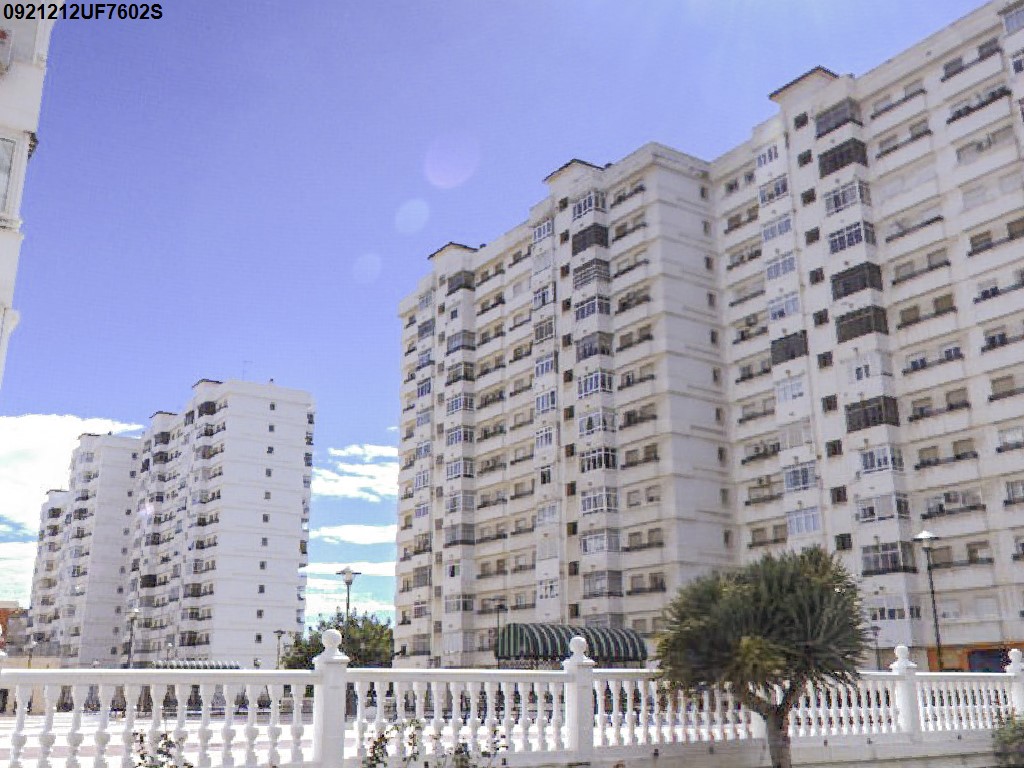
Local comercial tipo 25, en planta baja, del edificio número 57, situado en la zona 8-9 del Conjunto Urbanístico “Parque Mediterráneo”, construido sobre parcela de terreno procedente de la integración de las Haciendas Campo denominadas Cortijo San Ciriano y San Luis, sitos en el Partido Primero de la Vega, de este término. Comprende una extensión superficial construida de SETENTA Y SEIS METROS, NOVENTA Y OCHO DECÍMETROS CUADRADOS.
FINCA NÚMERO DOSCIENTOS TRECEVIVIENDA tipo D en planta Baja del edificio destinado a locales y viviendas, designado con el número CINCUENTA Y SIETE, sito en la zona 8-9 del Conjunto Urbanizado Parque Mediterráneo, procedente de la integración de las Haciendas de Campo, denominadas Cortijo de San Ciriano y San Luis, sitos en el Partido Primero de la Vega, de este término
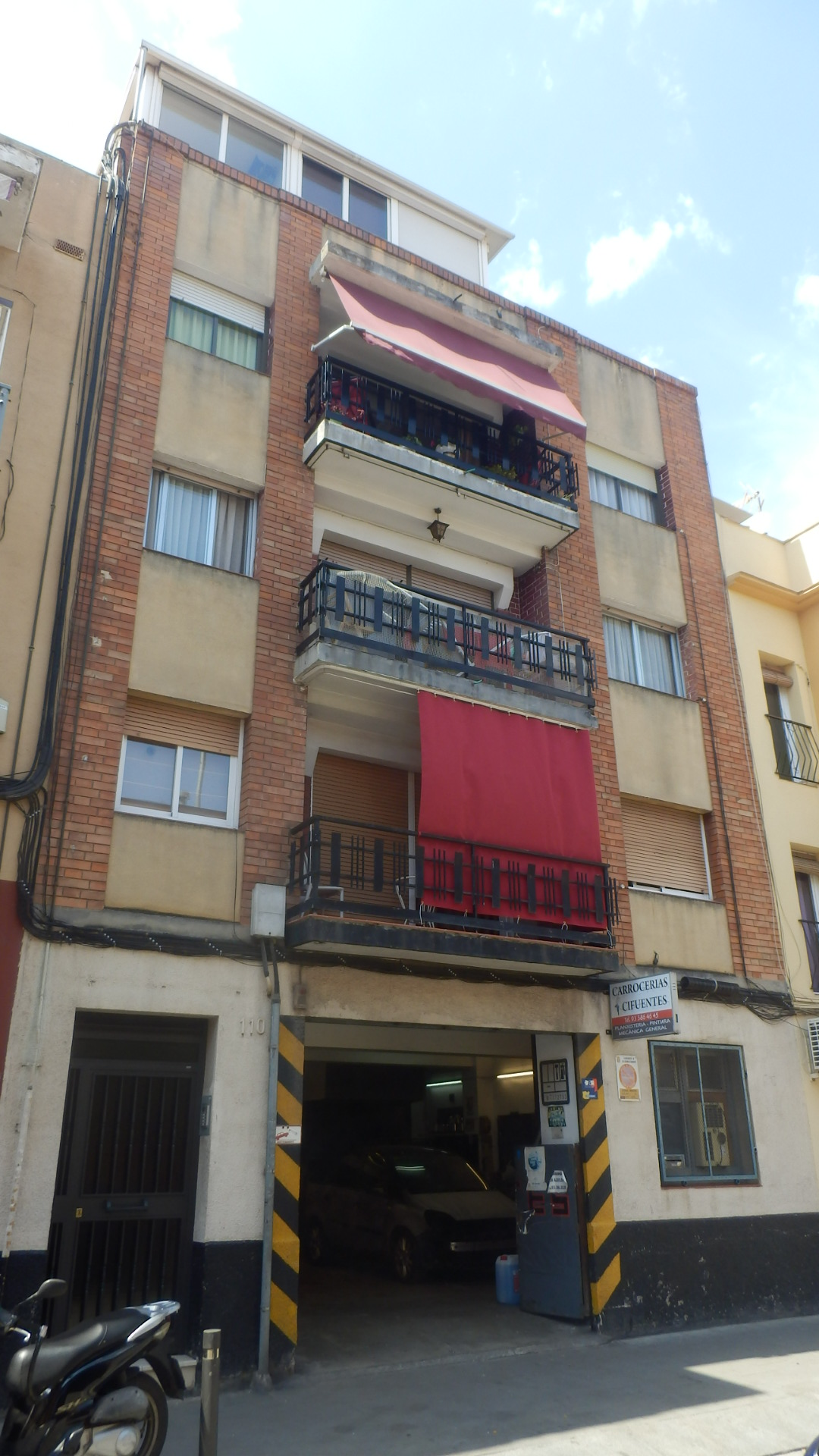
50% Pleno Dominio. Almacen SITO EN LA Planta BAJA O Primera, DE LA CASA Número Ciento DIEZ, DE LA Calle SAN Joaquín, DE Santa Coloma DE Gramanet.
The ecosystem of Auctions in Spain is one of the most active and liquid Distressed (assets in difficulty) investment markets in Europe. Through the BOE, thousands of properties from mortgage foreclosures, business bankruptcies, and tax defaults change hands every year. Understanding this national map is key for investors, as opportunities and profitability vary drastically from one Autonomous Community to another.
The investment profile depends heavily on territory:
A fatal mistake for novice investors in Spain is not calculating tax pressure. When winning an auction, you must pay the Property Transfer Tax (ITP). This tax is ceded to Autonomous Communities and varies radically: while in the Basque Country or Canary Islands it can be 4% to 6.5%, in Catalonia, Valencia, or Galicia it reaches 10%.
Analyzing opportunities in 50 different provinces is humanly impossible without technology. subastAI unifies the entire Spanish auction market into a single interactive map. Our AI not only alerts you to occupancy risk and audits registry charges, but also incorporates tax calculators adapted to the property's Autonomous Community. This way, you'll know exactly what your net return on investment (ROI) will be regardless of which corner of Spain you decide to bid.
The ecosystem of Auctions in Spain is one of the most active and liquid Distressed (assets in difficulty) investment markets in Europe. Through the BOE, thousands of properties from mortgage foreclosures, business bankruptcies, and tax defaults change hands every year. Understanding this national map is key for investors, as opportunities and profitability vary drastically from one Autonomous Community to another.
The investment profile depends heavily on territory:
A fatal mistake for novice investors in Spain is not calculating tax pressure. When winning an auction, you must pay the Property Transfer Tax (ITP). This tax is ceded to Autonomous Communities and varies radically: while in the Basque Country or Canary Islands it can be 4% to 6.5%, in Catalonia, Valencia, or Galicia it reaches 10%.
Analyzing opportunities in 50 different provinces is humanly impossible without technology. subastAI unifies the entire Spanish auction market into a single interactive map. Our AI not only alerts you to occupancy risk and audits registry charges, but also incorporates tax calculators adapted to the property's Autonomous Community. This way, you'll know exactly what your net return on investment (ROI) will be regardless of which corner of Spain you decide to bid.
Edicts and Simple Notes. (Dense and unreadable texts).
Our AI extracts data and calculates real charges in seconds.
You know hidden risks and the exact bidding strategy.
Unlock legal risk indicators, occupancy, subsisting charges, opportunity margin and smart score.