0min
Vehicle
The State auction market holds a volume of 2,214 active files, with real estate assets accounting for 80% of listings. With a median appraisal value of €56,667 for properties, we observe extreme heterogeneity: ranging from low-value assets to large-scale rural estates valued at over €3 million. Madrid, Zaragoza, and Barcelona concentrate the highest activity, suggesting a direct correlation with population density and the volume of mortgage foreclosures.
For investors, the abundance of residential properties and parking spaces is deceptive. The price dispersion and the gap between appraisal and auction value require a detailed analysis of the official edict. It is common in State and Social Security auctions that outdated registry charges or property occupancy turn what seems like an opportunity into a complex liability. Do not blindly trust the apparent discount; in operations of this profile, legal risk is often hidden in the specific execution conditions, which are frequently not reflected in the initial appraisal value. Due diligence must prioritize the study of senior charges.
Information analyzed using our proprietary advanced subastAI models. Does not constitute investment advice.
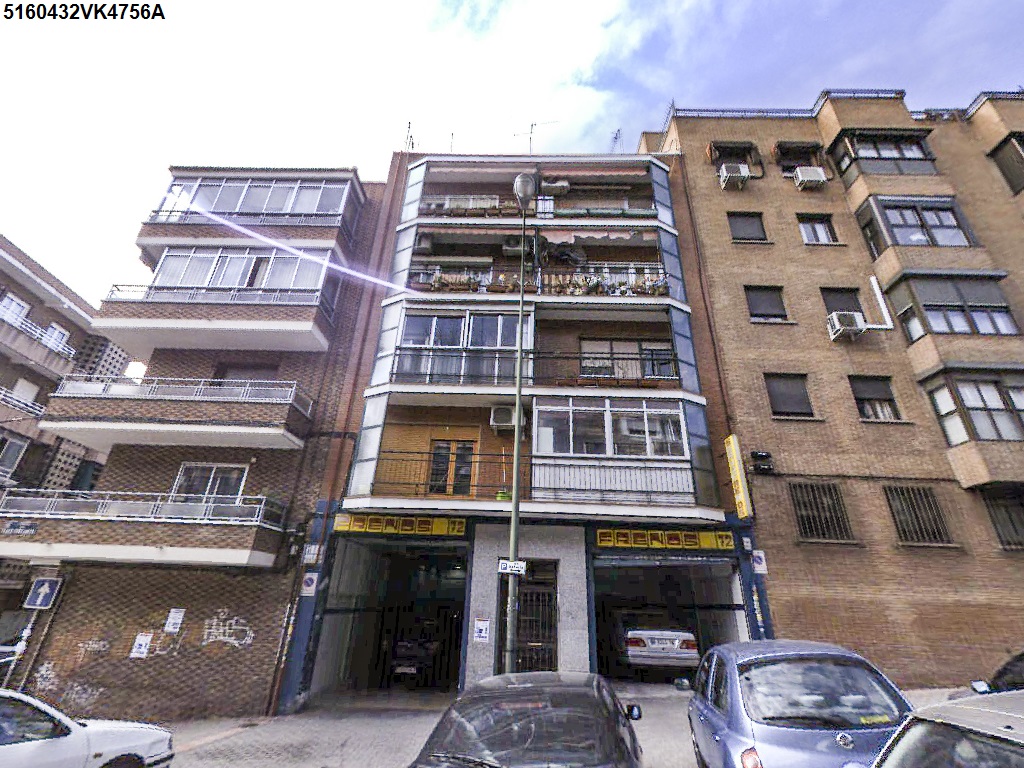
Registro de la Propiedad Nº 30 de Madrid. Cru: 28111000082463 Urbana: Nave Comercial Izquierda de la Casa Nº 42 de la Calle Lago Constanza Situada en Planta Baja.
Registro de la Propiedad de Pastrana-Sacedon. Cru: 19007000125212 Parcela Numero 496-B del Plan Parcial del Poligono P-A el Soto, en Illana, Guadalajara, con una Superficie de 2.
State Auctions encompass all public tenders managed by the General State Administration in Spain. This ecosystem channels the sale of seized, confiscated, or disused assets belonging to multiple official bodies (Courts, Tax Agency, General Treasury of the Social Security, and the National Plan on Drugs, among others). All this inventory is unified through the BOE Electronic Auction Portal, offering a gigantic market for equity investors.
The variety of assets is immense and covers all sectors of the economy. The debtor profile ranges from individuals to large corporations, injecting the market with unique assets:
Participating in State auctions requires complying with strict formal requirements, guaranteeing total process transparency. To bid, any natural or legal person must identify themselves using a Digital Certificate and make a 5% consignment of the asset's appraisal value. This deposit ensures that only real bidders participate, and is returned in full if your bid is not the winning one.
Despite the security conveyed by buying "from the State," Spanish law establishes that assets are acquired as "specific body" and with subsistence of charges. This means you may inherit millions in debts from previous owners (such as prior mortgages or overdue IBI). To protect your capital, subastAI cross-references official edict data with Artificial Intelligence. Our platform audits the State's file, breaks down hidden charges, and alerts you to occupancy status so you invest with guaranteed profitability and zero surprises.
State Auctions encompass all public tenders managed by the General State Administration in Spain. This ecosystem channels the sale of seized, confiscated, or disused assets belonging to multiple official bodies (Courts, Tax Agency, General Treasury of the Social Security, and the National Plan on Drugs, among others). All this inventory is unified through the BOE Electronic Auction Portal, offering a gigantic market for equity investors.
The variety of assets is immense and covers all sectors of the economy. The debtor profile ranges from individuals to large corporations, injecting the market with unique assets:
Participating in State auctions requires complying with strict formal requirements, guaranteeing total process transparency. To bid, any natural or legal person must identify themselves using a Digital Certificate and make a 5% consignment of the asset's appraisal value. This deposit ensures that only real bidders participate, and is returned in full if your bid is not the winning one.
Despite the security conveyed by buying "from the State," Spanish law establishes that assets are acquired as "specific body" and with subsistence of charges. This means you may inherit millions in debts from previous owners (such as prior mortgages or overdue IBI). To protect your capital, subastAI cross-references official edict data with Artificial Intelligence. Our platform audits the State's file, breaks down hidden charges, and alerts you to occupancy status so you invest with guaranteed profitability and zero surprises.
Edicts and Simple Notes. (Dense and unreadable texts).
Our AI extracts data and calculates real charges in seconds.
You know hidden risks and the exact bidding strategy.
Unlock legal risk indicators, occupancy, subsisting charges, opportunity margin and smart score.