0min
Property
The current judicial auction market shows a clear residential saturation, with over 63% of the 950 analyzed assets consisting of homes. With a median valuation of €159,659 and a dispersion peaking at €2 million, investors must exercise extreme caution regarding the disparity between theoretical appraisals and actual economic viability.
It is common in foreclosure files to encounter valuations that do not necessarily reflect the property's state of conservation or hidden liens. It is particularly revealing that, despite the presence of assets with attractive nominal discounts, most auctions maintain starting prices aligned with the original appraisal, which limits the potential margin. In operations of this magnitude, the risk of occupancy or the failure to account for priority debts—those that are not discharged after the auction—is often a greater burden than the winning bid itself. Before placing any bid, it is imperative to conduct due diligence regarding ownership and urban planning limitations, as a winning offer does not guarantee effective possession of the asset.
Information analyzed using our proprietary advanced subastAI models. Does not constitute investment advice.
DESCRIPCION: 1.- FINCA Nº 7.
IVIENDA del tipo 1, sita en la tercera planta alta, la de la izquierda mirando la fachada de la calle Vicente Ramón Alós, del edificio descrita; con acceso independiente por puerta recayente al distribuidor de esta planta, al qué a su vez se llega a través de la escalera y ascensor que arrancan del portal zaguán general del edificio; se halla distribuida interiormente; ocupa una superficie útil de 77¿37 metros cuadrados, y construida de 89, 30 metros cuadrados
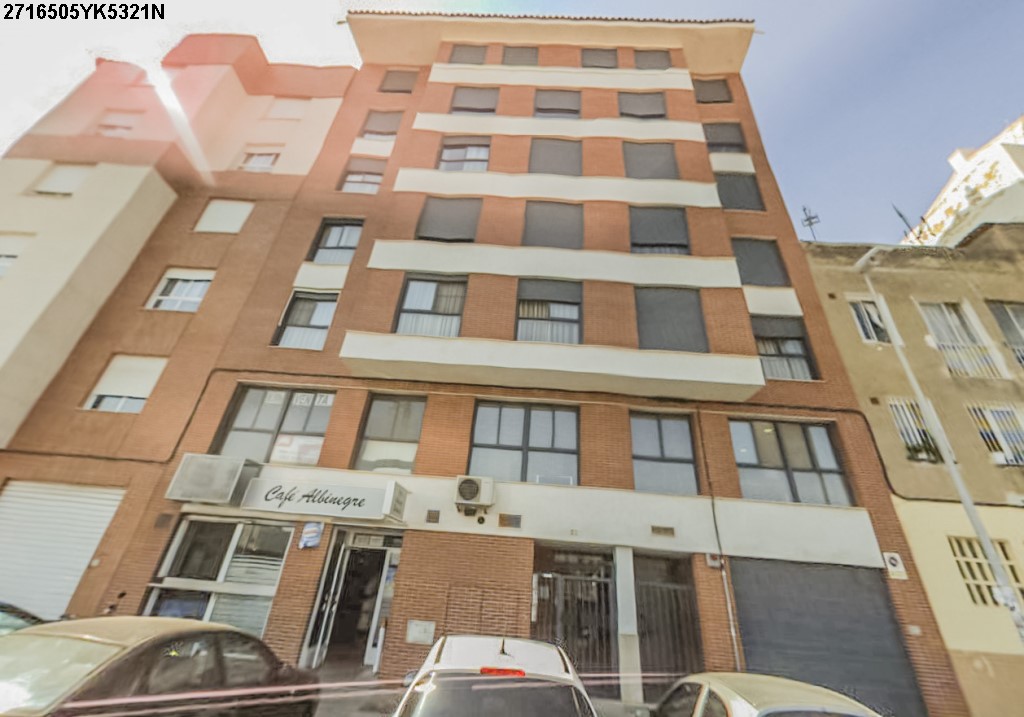
Finca número 37. 172.
Judicial Auctions constitute the fundamental pillar of discounted real estate investment in Spain. These tenders are ordered by Courts of First Instance and, in their vast majority, are the result of mortgage foreclosures (properties seized by banking entities from individuals or companies for non-payment of their loans) or from the dissolution of co-ownership derived from inheritances and divorces.
For the investor specialized in house flipping (buy, renovate, and sell) or in creating rental portfolios (Buy to Rent), this is the market where the highest profit margins are found, allowing acquisition of bank apartments well below market price.
The main challenge of urban judicial auctions is the possession status. Unlike commercial or rural assets, a large portion of residential properties seized by courts remain inhabited. The property may be occupied by the original debtor, tenants with protected old rent contracts, or suffer from illegal occupation (squatters). Buying a property with squatters implies initiating an eviction process later that can delay your profitability for months or years.
When winning the bid at the BOE and obtaining the Adjudication Decree, the law dictates that you assume charges prior to the enforced seizure. In judicial auctions, it's vital to watch out for dreaded debts with the Property Owners' Association (which can amount to thousands of euros in unpaid special assessments) and overdue municipal IBI.
Navigating the complex jargon of Court Clerks of the Administration of Justice is not an easy task. This is where subastAI intervenes. Our Artificial Intelligence engine reads the dense judicial files and the simple note for you. In our premium listings, we clearly show a traffic light for occupancy risk and a financial calculator that includes ITP and hidden debts. This way, your maximum bid will always be based on real data, ensuring your judicial adjudication is a solid business.
Judicial Auctions constitute the fundamental pillar of discounted real estate investment in Spain. These tenders are ordered by Courts of First Instance and, in their vast majority, are the result of mortgage foreclosures (properties seized by banking entities from individuals or companies for non-payment of their loans) or from the dissolution of co-ownership derived from inheritances and divorces.
For the investor specialized in house flipping (buy, renovate, and sell) or in creating rental portfolios (Buy to Rent), this is the market where the highest profit margins are found, allowing acquisition of bank apartments well below market price.
The main challenge of urban judicial auctions is the possession status. Unlike commercial or rural assets, a large portion of residential properties seized by courts remain inhabited. The property may be occupied by the original debtor, tenants with protected old rent contracts, or suffer from illegal occupation (squatters). Buying a property with squatters implies initiating an eviction process later that can delay your profitability for months or years.
When winning the bid at the BOE and obtaining the Adjudication Decree, the law dictates that you assume charges prior to the enforced seizure. In judicial auctions, it's vital to watch out for dreaded debts with the Property Owners' Association (which can amount to thousands of euros in unpaid special assessments) and overdue municipal IBI.
Navigating the complex jargon of Court Clerks of the Administration of Justice is not an easy task. This is where subastAI intervenes. Our Artificial Intelligence engine reads the dense judicial files and the simple note for you. In our premium listings, we clearly show a traffic light for occupancy risk and a financial calculator that includes ITP and hidden debts. This way, your maximum bid will always be based on real data, ensuring your judicial adjudication is a solid business.
Edicts and Simple Notes. (Dense and unreadable texts).
Our AI extracts data and calculates real charges in seconds.
You know hidden risks and the exact bidding strategy.
Unlock legal risk indicators, occupancy, subsisting charges, opportunity margin and smart score.