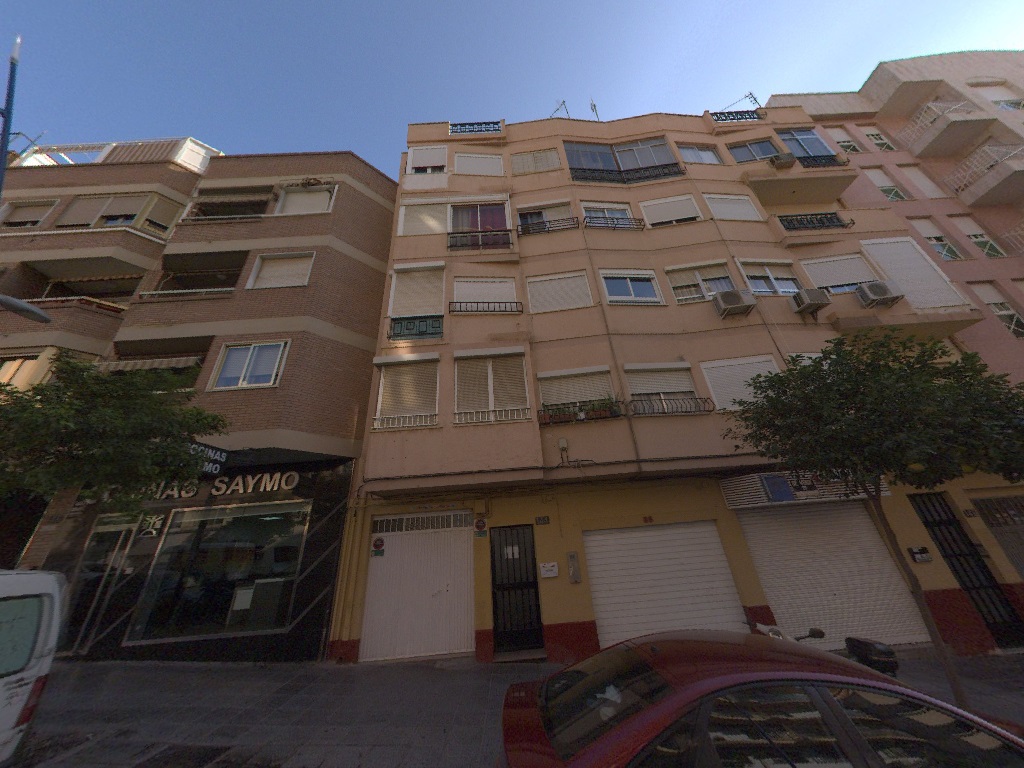
The current volume of 2,288 assets in public auctions reveals extreme market fragmentation. With 80% of items classified as real estate, residential property leads the supply with 742 files, followed by urban plots. However, the gap between the average valuation (€131,097) and the median (€59,291) for real estate assets warns of strong asymmetry: there is a saturation of low-value assets while a few high-capital lots distort the statistics.
For investors, this poses a critical operational risk. It is common in these judicial auctions to see valuations that do not reflect the actual occupancy status or prior land registry charges, turning assets with apparent discounts exceeding 90% into potential liquidity traps. Geographical concentration in Madrid, Zaragoza, and Barcelona suggests higher activity, but also more aggressive bidding competition.
It is imperative not to confuse the starting bid with the actual market value. In similar operations, the lack of an updated land registry extract has led to the acquisition of assets with non-cancellable tax liens. Given this scenario of heterogeneity, individual analysis of the auction notice is more decisive than any macroeconomic trend.
Information analyzed using our proprietary subastAI advanced models. This does not constitute investment advice.