
0min
Property Lot 3 de 9
Local comercial LA NORA, murcia
Auction Value 475.000,00 €
Status In progress
LOTE 3. Anteriormente lote 5.
The current judicial auction market in Spain presents a scenario of high heterogeneity, with 2,213 assets listed. There is a strong concentration in the residential sector, accounting for over 30% of the total volume, while price dispersion remains extreme: from assets priced at €25 to rural properties valued at over €3.4 million.
This variety demands caution. Although the median valuation for properties stands at €56,667, the gap between the official appraisal and the actual starting price can be misleading. It is common to see lots with aggressive theoretical discounts that mask non-cancellable registration charges or complex occupancy situations that the auction notice does not always detail clearly.
In comparable operations, the saturation of residential housing has led many investors to shift toward more technical assets, such as commercial premises or plots, where competition is lower. However, the lack of an exhaustive legal audit prior to bidding transforms what appears to be an immediate adjudication opportunity into a capital immobilization risk. Before participating, it is imperative to cross-reference the auction value with the actual occupancy status of the property.
Information analyzed using our proprietary advanced subastAI models. Does not constitute investment advice.
LOTE 3. Anteriormente lote 5.
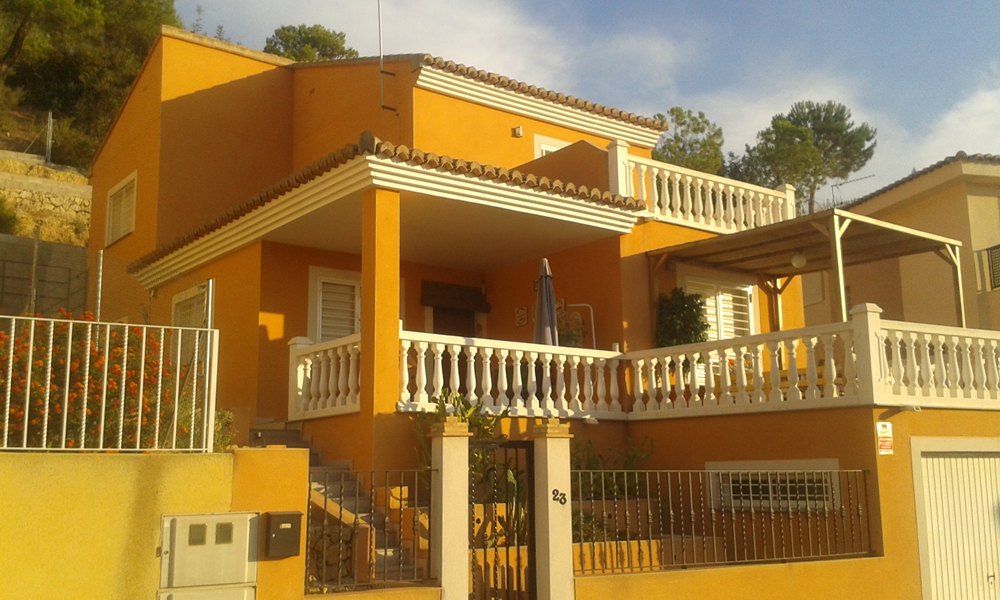
Parcela edificable, identificada con el número 12, en término municipal de Sumacàrcer, Unidad de Ejecución número uno "La Florida", con frontera recayente a la calle Castell de Penyarroja, número 23, Información adicional: Se entenderá que todo licitador acepta como bastante la titulación existente en el procedimiento de ejecución o asume su inexistencia, así como las consecuencias de que sus pujas no superen los porcentajes del tipo de la subasta establecidos en el artículo 670 de la Ley de enjuiciamiento civil. Se hace constar, asimismo, que las cargas, gravámenes y asientos anteriores al crédito del actor continuarán subsistentes y que, por el solo hecho de participar en la subasta, el licitador los admite y acepta quedar subrogado en la responsabilidad derivada de aquéllos si el remate se adjudicare a su favor.
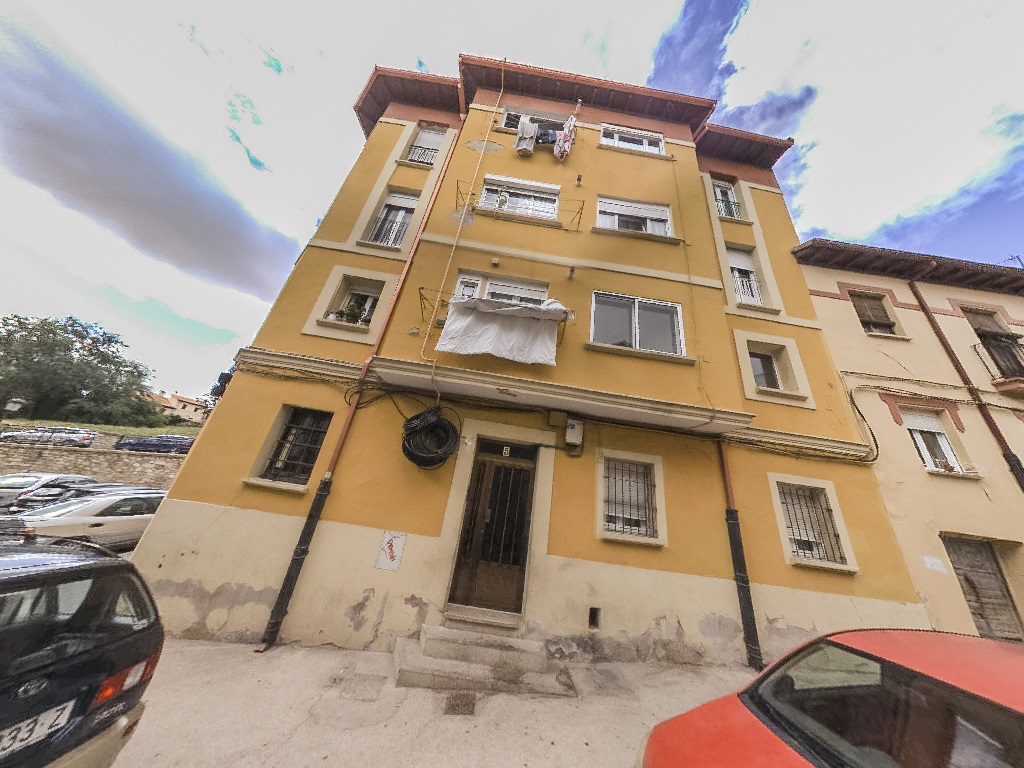
Linda: por su frente o Norte, mirando desde la calle, con CALLE DE LAS TAHONAS; Sur o fondo, con casa número dos de la CALLE DE LAS CORAZAS; Oeste o derecha, con piso segundo izquierda de la misma planta y escalera; y al Este o izquierda con PLAZUELA DE LAS TAHONAS. Consta de tres habitaciones, cocina y cuarto de aseo.
URBANA: NÚMERO TRES.- PLAZA DE GARAJE SITUADA EN LA PLANTA SÓTANO, del edificio sito en Rosselló, calle Major, 94, 96, 98, 100 y 102, chaflán a calle Unió, con cinco escaleras en la calle Major, teniendo su acceso rodado por una rampa que parte de la calle Major.
The ecosystem of Auctions in Spain is one of the most active and liquid Distressed (assets in difficulty) investment markets in Europe. Through the BOE, thousands of properties from mortgage foreclosures, business bankruptcies, and tax defaults change hands every year. Understanding this national map is key for investors, as opportunities and profitability vary drastically from one Autonomous Community to another.
The investment profile depends heavily on territory:
A fatal mistake for novice investors in Spain is not calculating tax pressure. When winning an auction, you must pay the Property Transfer Tax (ITP). This tax is ceded to Autonomous Communities and varies radically: while in the Basque Country or Canary Islands it can be 4% to 6.5%, in Catalonia, Valencia, or Galicia it reaches 10%.
Analyzing opportunities in 50 different provinces is humanly impossible without technology. subastAI unifies the entire Spanish auction market into a single interactive map. Our AI not only alerts you to occupancy risk and audits registry charges, but also incorporates tax calculators adapted to the property's Autonomous Community. This way, you'll know exactly what your net return on investment (ROI) will be regardless of which corner of Spain you decide to bid.
The ecosystem of Auctions in Spain is one of the most active and liquid Distressed (assets in difficulty) investment markets in Europe. Through the BOE, thousands of properties from mortgage foreclosures, business bankruptcies, and tax defaults change hands every year. Understanding this national map is key for investors, as opportunities and profitability vary drastically from one Autonomous Community to another.
The investment profile depends heavily on territory:
A fatal mistake for novice investors in Spain is not calculating tax pressure. When winning an auction, you must pay the Property Transfer Tax (ITP). This tax is ceded to Autonomous Communities and varies radically: while in the Basque Country or Canary Islands it can be 4% to 6.5%, in Catalonia, Valencia, or Galicia it reaches 10%.
Analyzing opportunities in 50 different provinces is humanly impossible without technology. subastAI unifies the entire Spanish auction market into a single interactive map. Our AI not only alerts you to occupancy risk and audits registry charges, but also incorporates tax calculators adapted to the property's Autonomous Community. This way, you'll know exactly what your net return on investment (ROI) will be regardless of which corner of Spain you decide to bid.
Edicts and Simple Notes. (Dense and unreadable texts).
Our AI extracts data and calculates real charges in seconds.
You know hidden risks and the exact bidding strategy.
Unlock legal risk indicators, occupancy, subsisting charges, opportunity margin and smart score.