0min
Property Lot 33 de 111
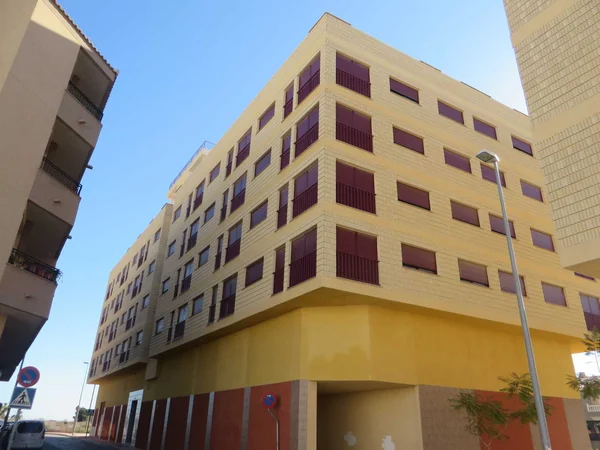
Garaje ALBATERA, alicante
Auction Value 21.912,00 €
Status In progress
Aparcamiento Número 33, con Trastero Vinculado Ubicado al Fondo del Mismo, del Sótano Segundo
The current Spanish auction market shows notable operational heterogeneity, with 1,961 active assets. The dominance of properties, representing 86% of total volume, contrasts with extreme price dispersion: while the median real estate appraisal sits at €60,968, the average rises to €171,973, a bias caused by high-value assets skewing the mean.
Geographic concentration in Alicante, Bizkaia, and Barcelona points to a market with highly differentiated activity hubs. It is common to observe in foreclosure files that a high appraisal does not guarantee viability; often, the auction value fails to reflect the actual mortgage debt or legal costs inherent to property occupation.
In this segment, it is frequent to find "false opportunities" in low-ticket lots or singular assets like rural estates or large plots, where the lack of bidders does not necessarily imply a bargain, but rather hidden legal or urban planning issues. Proper valuation requires auditing the edict and registry charges, as the disparity between the appraisal and the final bid value can conceal significant financial commitments not always evident in the initial summary.
Information analyzed using our proprietary advanced subastAI models. Does not constitute investment advice.
Aparcamiento Número 33, con Trastero Vinculado Ubicado al Fondo del Mismo, del Sótano Segundo
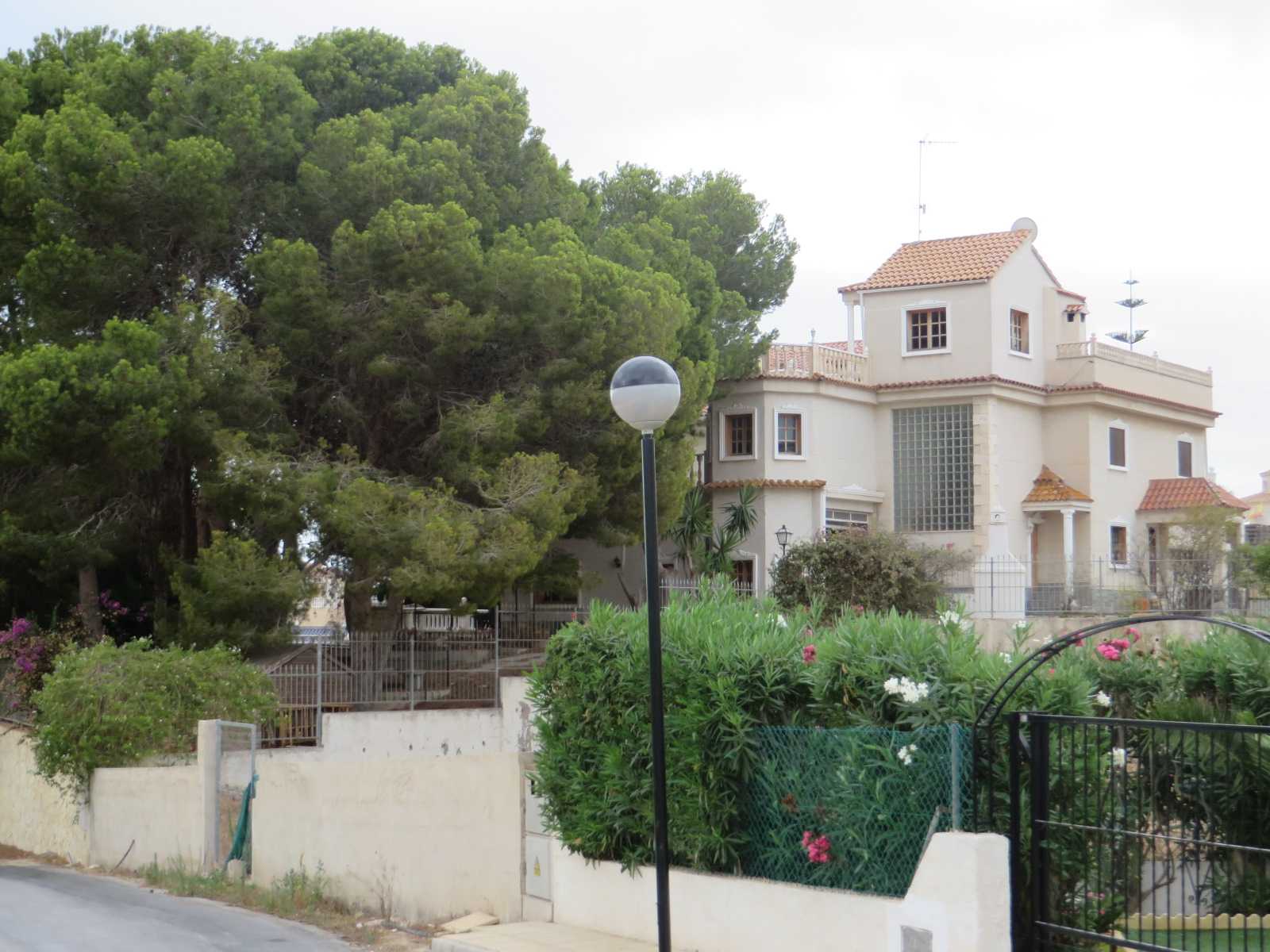
es parcela de tierra de secano en C/ Aranjuez nº 5 con una superficie de 2. 220 metros cuadrados, donde existe construida una vivienda unifamiliar de solo planta baja y alta con una superficie ocupada en el solar de 171¿32 metros.

Vivienda CON Bajos DE USO Comercial SITA EN C. Manzana, 4 DE Santpedor.
Vivienda Nº 3ºb SITA EN Albatera, Doctor Gregorio Marañón Nº86 C. P.
The ecosystem of Auctions in Spain is one of the most active and liquid Distressed (assets in difficulty) investment markets in Europe. Through the BOE, thousands of properties from mortgage foreclosures, business bankruptcies, and tax defaults change hands every year. Understanding this national map is key for investors, as opportunities and profitability vary drastically from one Autonomous Community to another.
The investment profile depends heavily on territory:
A fatal mistake for novice investors in Spain is not calculating tax pressure. When winning an auction, you must pay the Property Transfer Tax (ITP). This tax is ceded to Autonomous Communities and varies radically: while in the Basque Country or Canary Islands it can be 4% to 6.5%, in Catalonia, Valencia, or Galicia it reaches 10%.
Analyzing opportunities in 50 different provinces is humanly impossible without technology. subastAI unifies the entire Spanish auction market into a single interactive map. Our AI not only alerts you to occupancy risk and audits registry charges, but also incorporates tax calculators adapted to the property's Autonomous Community. This way, you'll know exactly what your net return on investment (ROI) will be regardless of which corner of Spain you decide to bid.
Edicts and Simple Notes. (Dense and unreadable texts).
Our AI extracts data and calculates real charges in seconds.
You know hidden risks and the exact bidding strategy.
Unlock legal risk indicators, occupancy, subsisting charges, opportunity margin and smart score.